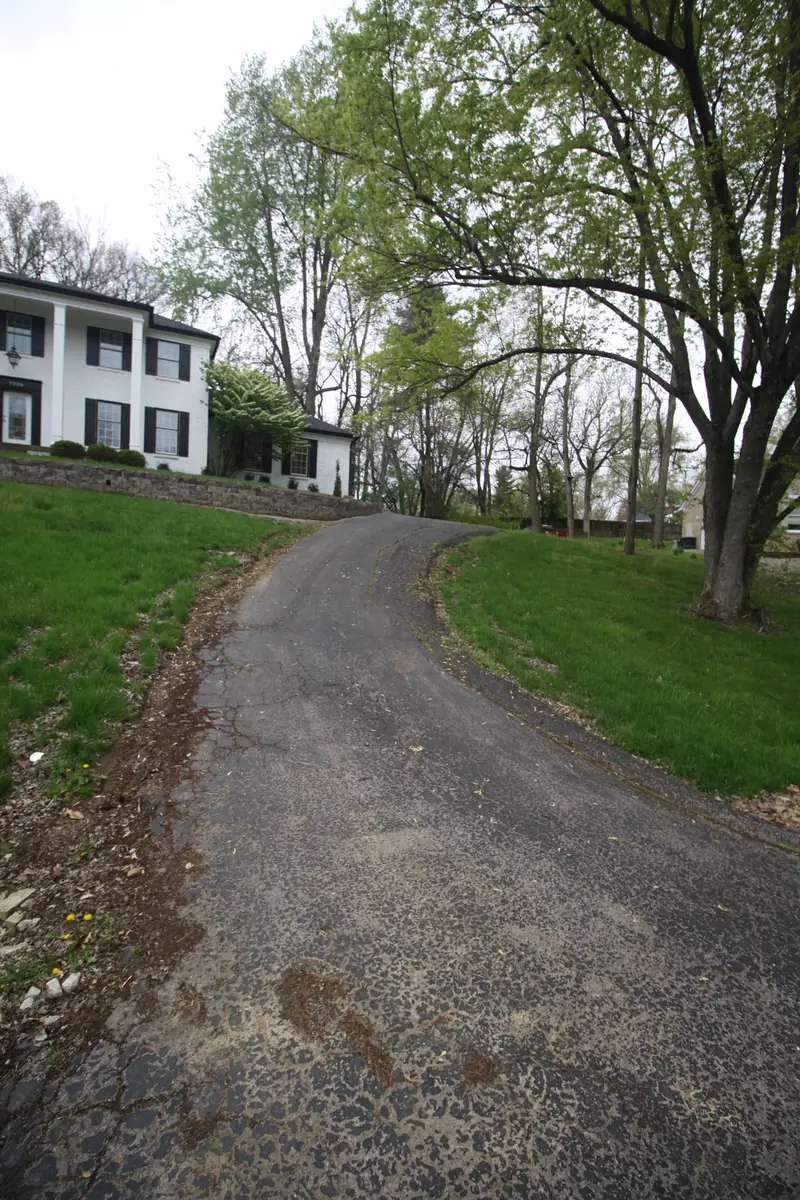
Asphalt driveways built on a solid base
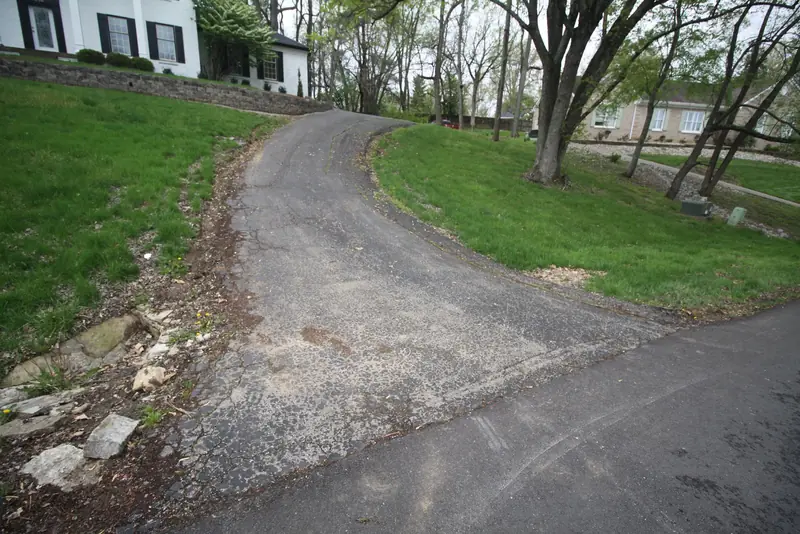
A driveway takes a beating from turning tires, trash trucks and Kentucky freeze-thaw winters. The difference between a driveway that lasts and one that cracks early is almost always the base and the drainage, not the top layer you see.
For a new driveway we excavate to firm ground, place and compact stone base, and pave with a smooth surface course. For an existing driveway that is still solid underneath, an overlay can give you a new surface for less. Our current site puts it simply: overlays need careful raking and compaction at the seams and tie-ins with the garage, street and walks, and that is where we spend our time.
We also widen driveways, add parking pads and turnarounds, and fix the low spots where water sits at the garage or the apron. If your driveway needs a concrete apron or walk, our concrete crew can do that part so you are dealing with one company.
After paving, keep heavy trucks off for a while and avoid turning the steering wheel while parked in hot weather for the first weeks. We'll give you simple care instructions and tell you when a first sealcoat makes sense.
Frequently asked questions
- Asphalt or concrete for my driveway?
- Both work well here. Asphalt usually costs less up front and is easy to repair and reseal; concrete costs more but needs less routine maintenance. We do both and can price each.
- When should I seal a new driveway?
- Give new asphalt time to cure first, usually several months. We'll recommend timing based on when your driveway was paved.
Asphalt Driveways photos